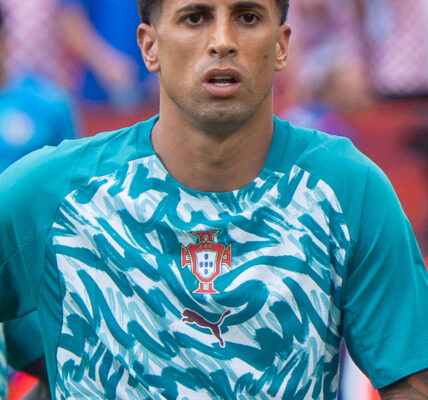
The Ballon d’Or ceremony has become a significant event in football, showcasing the sport’s elite in a glamorous atmosphere. This annual celebration mirrors the prestige of the Oscars, highlighting the achievements of top players.
History of the Ballon d’Or
The Ballon d’Or ceremony has a storied history that dates back to 1956, when it was first awarded to Stanley Matthews. This prestigious accolade has evolved over the decades, becoming a symbol of excellence in football.
Initially, the award was limited to European players, but in 1995, it opened its doors to players from all over the world, reflecting the growing global nature of the sport. This change marked a significant moment in the history of the Ballon d’Or, allowing stars like George Weah and Ronaldo to take their place among the legends.
In 2010, the Ballon d’Or ceremony underwent another transformation, merging with FIFA World Player of the Year, which created a single, unified award to honor the best in football. This move solidified the ceremony’s status as the most prestigious in the sport, akin to the Oscars in cinema.
Today, the Ballon d’Or ceremony continues to be a grand event, celebrating not just the winners but also the rich history and passion of football. Fans around the globe eagerly anticipate this yearly spectacle, which showcases the best talent in the sport.
Comparing the Ballon d’Or and Oscars
The Ballon d’Or ceremony has often been compared to the Oscars, as both events celebrate excellence in their respective fields. While the Oscars honor achievements in film, the Ballon d’Or ceremony recognizes the best talent in football. This comparison highlights the grandeur and prestige that both events represent.
Much like the Oscars, the Ballon d’Or ceremony is characterized by:
- Glamour: Stars from the football world don their finest attire, creating a spectacle that captivates fans and media alike.
- Global Audience: Millions tune in worldwide, eager to witness the crowning of their favorite players.
- Emotional Moments: Acceptance speeches often evoke powerful emotions, showcasing the dedication and passion of the athletes.
- Influence: Winning a Ballon d’Or can significantly impact a player’s career, much like an Oscar can elevate an actor’s status.
In essence, the Ballon d’Or ceremony serves as football’s answer to the Oscars, celebrating the artistry and skill that athletes bring to the game. This connection underscores the universal appreciation for excellence in sports and entertainment.
Key Moments from Past Ceremonies
The Ballon d’Or ceremony has seen numerous memorable moments that showcase the passion and excitement of football. Each year, fans eagerly anticipate the announcements and tributes that highlight the achievements of the sport’s greatest talents.
Some of the key moments from past ceremonies include:
- Ronaldo’s First Win (1997): The Brazilian forward captivated audiences when he claimed his first Ballon d’Or, marking the rise of a new football superstar.
- Messi vs. Ronaldo Rivalry: The years where Lionel Messi and Cristiano Ronaldo dominated the awards, with their fierce competition adding drama and anticipation to the ceremonies.
- Zinedine Zidane’s Victory (1998): Winning the Ballon d’Or just months after leading France to World Cup glory solidified Zidane’s status as one of football’s greats.
- Women’s Recognition (2018): The introduction of the women’s Ballon d’Or brought attention to female footballers, highlighting their contributions to the sport.
These moments not only celebrate individual excellence but also reflect the evolving landscape of football and its cultural significance, making the Ballon d’Or ceremony a true celebration of the game.
Impact on Football Culture
The Ballon d’Or ceremony has transcended its role as a mere awards event, becoming a pivotal moment in football culture. Each year, fans around the world eagerly anticipate the announcement of the winner, turning the ceremony into a global spectacle that highlights the sport’s most celebrated talents.
This annual gathering fosters a sense of unity among supporters, as they rally behind their favorite players and national teams. The emotional stories shared during the event often resonate deeply, reminding fans of the dedication and hard work that culminates in such recognition. Moreover, the ceremony serves as a platform for discussing broader issues within the sport, including diversity, equality, and the impact of technology on performance.
Furthermore, the Ballon d’Or ceremony influences younger generations aspiring to make their mark in football. The visibility of top players inspires countless youths to pursue their dreams, aspiring to emulate their heroes. The event also encourages grassroots initiatives and local clubs, as success on the global stage brings attention and investment to football at all levels.
In essence, the Ballon d’Or is not just an award; it is a celebration of football, culture, and community.
The Evolution of the Ceremony
The Ballon d’Or ceremony has undergone significant transformation since its inception, evolving from a simple award presentation to a grand spectacle celebrated worldwide. Originally established in 1956, the event recognized the best football player in Europe and was a closed affair, limited to only European players. Over the decades, it has expanded its reach and prestige, now honoring players globally and integrating both men’s and women’s awards.
This evolution is marked by several pivotal changes:
- Global Inclusion: In 1995, George Weah became the first non-European to win the award, paving the way for greater diversity.
- Merge with FIFA: The partnership between FIFA and the Ballon d’Or from 2010 to 2015 helped elevate the ceremony’s profile, bringing it to a wider audience.
- Modern Presentation: The ceremony has embraced new technologies, incorporating live performances and interactive elements, making it more engaging for fans.
Today, the Ballon d’Or ceremony is not just an awards night; it is a celebration of football culture that captivates millions, embodying the sport’s rich heritage and global appeal.
Players’ Reactions to Winning
The Ballon d’Or ceremony has long been a moment of profound emotion for players, encapsulating their dedication and hard work throughout the year. Each winner’s reaction tells a unique story, reflecting not only personal triumph but also the spirit of the sport.
For many players, receiving the prestigious award is a dream come true. Lionel Messi, who has won the accolade multiple times, often expresses a mix of disbelief and gratitude, stating how important the recognition is to him and his family. Similarly, Cristiano Ronaldo has openly shared his feelings of joy and pride, emphasizing the significance of being acknowledged by peers and fans alike.
Newer winners also experience this whirlwind of emotions. Karim Benzema, upon receiving his first Ballon d’Or, described the moment as a culmination of his efforts, with tears of happiness reflecting his journey. Each player’s moment is celebrated not just as an individual achievement but as a representation of their teams and countries.
- Messi’s humble gratitude
- Ronaldo’s passionate joy
- Benzema’s emotional victory
Ultimately, the Ballon d’Or ceremony remains a cherished celebration of football, uniting players and fans in admiration of the sport’s greatest talents.
Future of the Ballon d’Or
The future of the Ballon d’Or ceremony appears bright as it continues to adapt to the ever-changing landscape of football and its global audience. As the sport evolves, so too does the prestige of this celebrated event, ensuring it remains relevant and engaging for fans and players alike.
In the coming years, we may see:
- Increased Digital Engagement: With the rise of social media and streaming platforms, the ceremony could adopt more interactive elements, allowing fans to participate in real-time voting and discussions.
- Broader Inclusivity: As the women’s game gains prominence, future ceremonies could feature separate awards for female players, reflecting the growing diversity within football.
- Sustainability Initiatives: The event may also embrace eco-friendly practices, aligning with global movements towards sustainability and social responsibility.
- Technological Innovations: Incorporating advanced technologies like augmented reality could enhance the viewing experience for fans around the world.
As the Ballon d’Or ceremony continues to grow, it will undoubtedly remain a symbol of excellence in football, celebrating the achievements of players on a global stage.
Read the original
You might also like
Tax on Gaming: The Worst Impact of Tunisia’s 60% Proposal · ATP Brussels Final Prediction: What’s the Best Outcome? · Bodhana Sivanandan International Master: A Proven Achievement